
Nutrition Basics for Better Cooking
Discover essential nutrition knowledge to transform your kitchen skills and create healthier, more balanced meals for yourself and your family.
The information on this site is for educational purposes only and does not constitute medical advice. Always consult a qualified healthcare professional before making health decisions.
Explore by Topic

Understanding Proteins
Learn how proteins function in your body, identify quality protein sources, and discover how to balance protein intake across your daily meals. This guide covers plant-based and animal proteins for every cooking style.
Read More
Carbohydrates Demystified
Understand the difference between simple and complex carbohydrates, learn which sources provide sustained energy, and explore how to incorporate whole grains and fiber-rich foods into your cooking routines.
Read More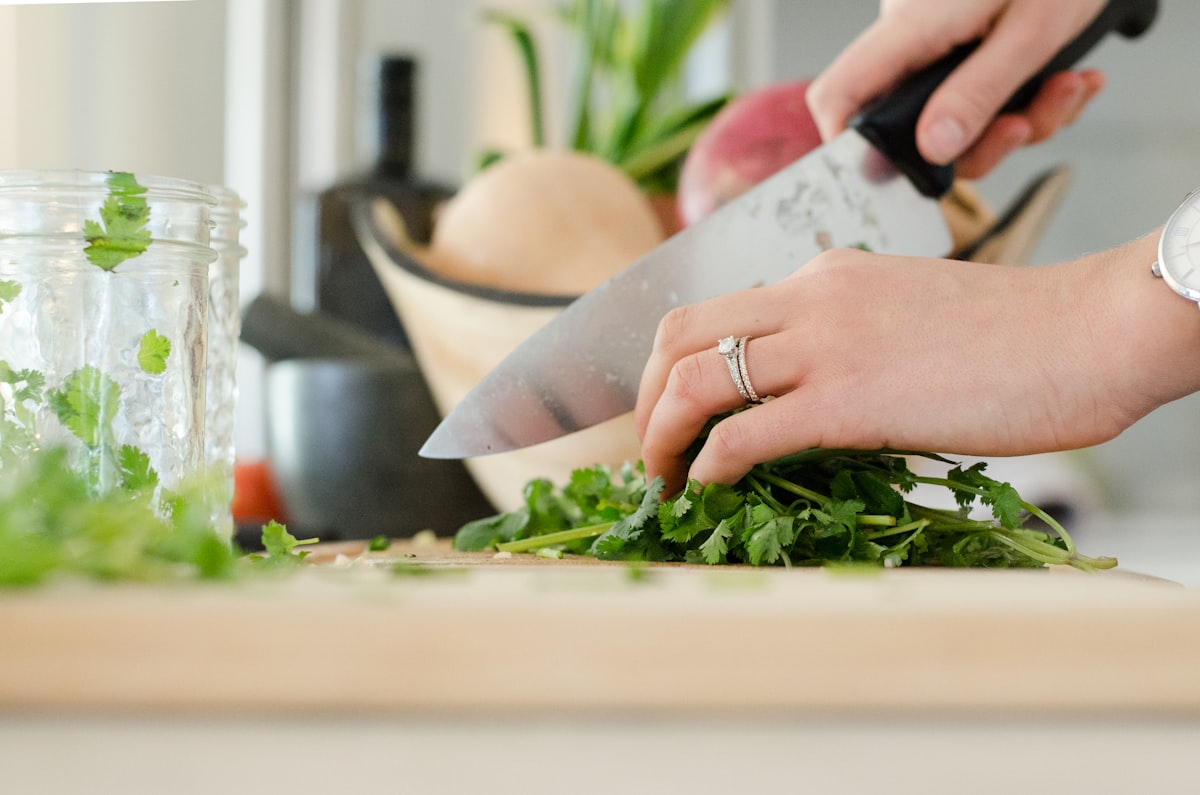
Healthy Fats Guide
Discover which fats support your health, learn about omega-3 and omega-6 fatty acids, and master the art of using oils and butter in your kitchen for maximum nutritional benefit without compromising flavor.
Read More
Essential Vitamins and Minerals
Explore the vital micronutrients your body needs, identify food sources for each vitamin and mineral, and learn cooking techniques that preserve these nutrients while enhancing your meals' nutritional value.
Read More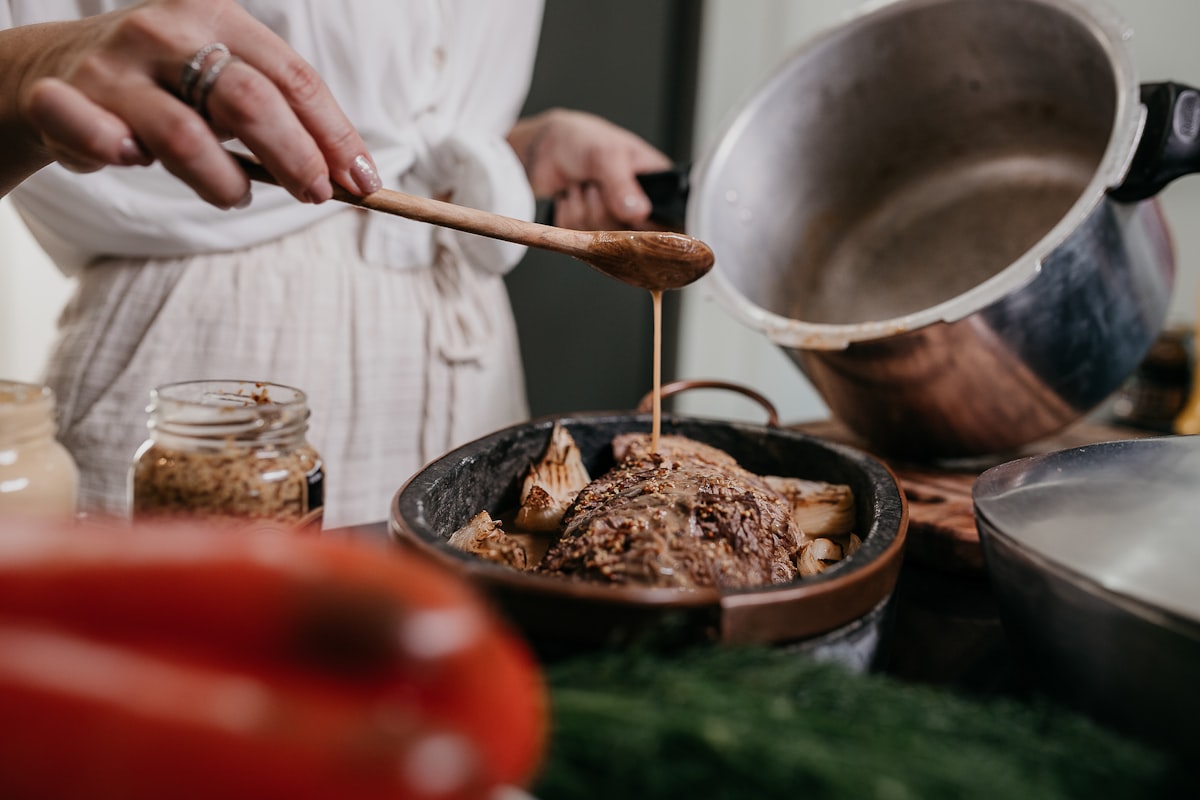
Building Balanced Plates
Master the fundamentals of meal composition, learn the ideal proportions for different food groups, and create satisfying, nutritionally complete meals that taste delicious and support your wellness goals.
Read More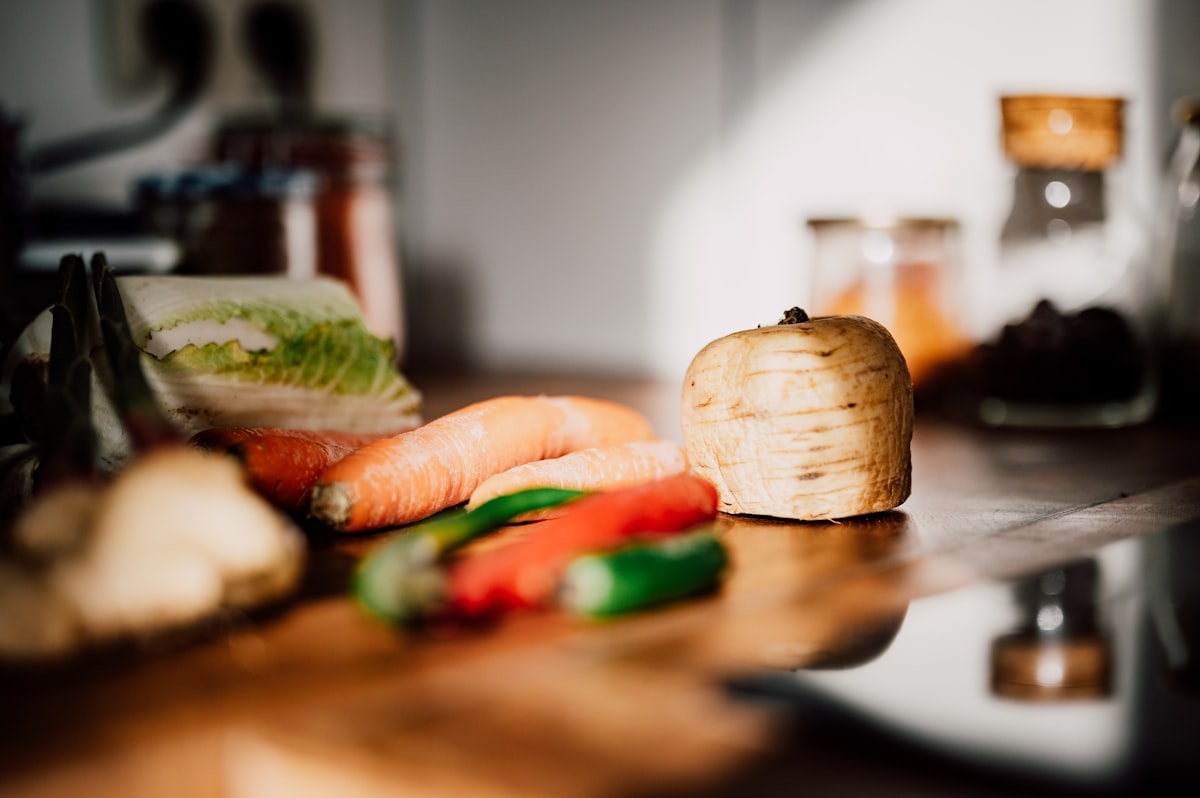
Cooking Methods That Preserve Nutrition
Discover which cooking techniques preserve the most nutrients, understand how heat affects different foods, and learn when to use steaming, roasting, sautéing, and other methods to maximize both nutrition and flavor.
Read More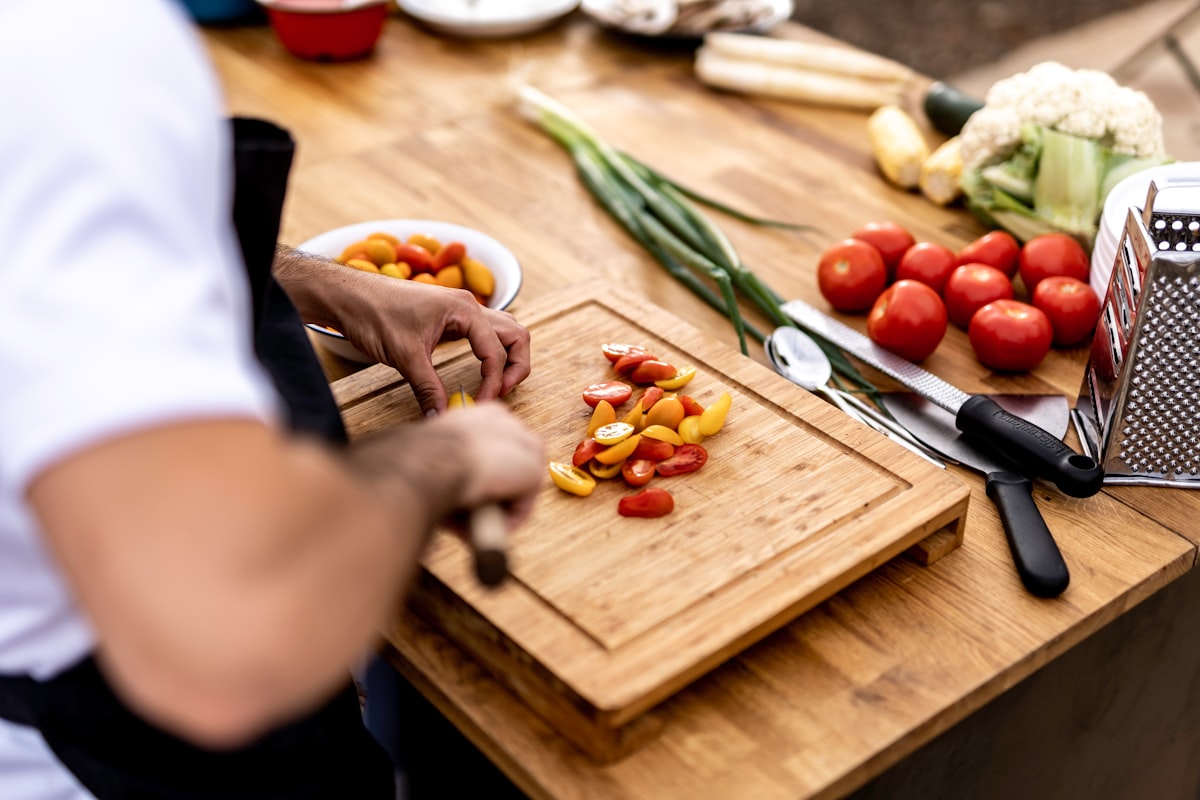
Seasonal Eating for Optimal Nutrition
Learn why seasonal produce offers superior nutrition, discover what ingredients peak during each season in Germany, and create menus that align with nature's rhythms while supporting your culinary creativity.
Read More
Hydration and Beverage Choices
Understand optimal hydration practices, explore the nutritional impact of different beverages, and learn how to incorporate hydration awareness into your daily cooking and meal preparation routines.
Read MoreFeatured Articles
Quick Reference: Macronutrient Ratios
A practical guide to understanding the optimal balance of proteins, carbohydrates, and fats for different cooking goals and personal preferences. Learn how to adjust ratios based on your activity level and nutritional needs.
ExplorePlant-Based Protein Pairing Guide
Discover how to combine plant proteins to create complete amino acid profiles in your dishes. This guide includes practical recipes and pairing suggestions for beans, grains, nuts, and seeds used in German cuisine.
ExploreStay Updated with Nutrition Insights
Subscribe to receive new articles about nutrition, cooking tips, and seasonal ingredient guides delivered to your inbox.
We respect your privacy. Unsubscribe anytime.
Frequently Asked Questions
How can I improve the nutritional value of my existing recipes?
Start by analyzing your recipes' macronutrient balance. Add more vegetables to increase micronutrients, substitute refined grains with whole grains, and incorporate healthy fats. Small adjustments to ingredient choices often have significant nutritional impacts without compromising flavor or texture.
What cooking methods preserve the most nutrients?
Steaming, baking, and sautéing with minimal water retention preserve more nutrients than boiling. Raw preparation also preserves heat-sensitive vitamins. Different foods benefit from different methods—delicate vegetables are best steamed or lightly sautéed, while root vegetables tolerate roasting well.
How do I plan nutritionally balanced meals for my family?
Use the plate method as your foundation: half plate vegetables and fruits, one quarter protein source, one quarter whole grains. Include healthy fats and ensure variety across the week. Consider your family's preferences and dietary needs when building your weekly meal plans.
Which seasonal ingredients are most nutritious in Germany?
Spring offers leafy greens and asparagus rich in vitamins. Summer brings berry antioxidants and tomatoes. Autumn provides squashes with beta-carotene and root vegetables. Winter features cabbage, kale, and citrus fruits. Cooking with seasons ensures peak nutrition and flavor throughout the year.
How much water should I drink daily and does it affect cooking?
Individual hydration needs vary based on activity level and climate, but 6-8 glasses daily is a common guideline. Hydration influences how you feel while cooking. Many foods also contribute to hydration—vegetables and fruits contain significant water, supporting overall fluid intake through meals.
Can I eat nutritiously on a budget?
Absolutely. Focus on seasonal produce which is more affordable at peak season, buy whole grains and legumes in bulk, choose eggs and affordable proteins, and plan meals to minimize waste. Understanding nutrition basics helps you make budget-friendly choices without sacrificing health.
Additional Resources
Our Recipes
Browse our collection of recipes developed with nutrition principles in mind. Each recipe includes macronutrient breakdowns and ingredient substitution suggestions.
View RecipesCooking Tips
Discover practical cooking techniques and tips that enhance both the nutritional content and taste of your meals. Learn from expert advice on preparation methods.
Explore TipsContact Us
Have questions about nutrition fundamentals or need advice on implementing these concepts? Our editorial team is here to help with your inquiries.
Get In TouchReady to Transform Your Cooking with Nutrition?
Explore our comprehensive guides and articles to deepen your understanding of nutrition fundamentals. Whether you're just starting or refining your skills, we have resources for every level of culinary exploration.
Browse All Content